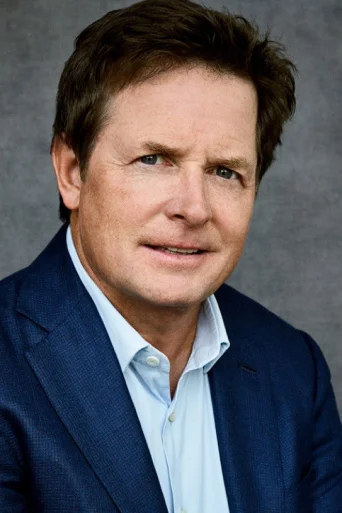
Michael J. Fox is a celebrated Canadian-American actor whose remarkable contributions to film and television have left an indelible mark on Hollywood. Born on June 9, 1961, in Edmonton, Alberta, Canada, Fox rose to fame in the 1980s, captivating audiences with his charm, comedic timing, and relatable performances. He is best known for his iconic role as Marty McFly in the beloved "Back to the Future" trilogy, which has become a cornerstone of cinematic history and a defining element of 1980s pop culture.
Fox's early career began in the realm of television, where he gained recognition for his role as Alex P. Keaton on the hit sitcom "Family Ties," which aired from 1982 to 1989. His performance earned him three Primetime Emmy Awards and established him as a leading figure in the industry. However, it was the release of "Back to the Future" in 1985 that truly catapulted Michael J. Fox into stardom. The film's critical and commercial success led to two sequels, "Back to the Future Part II" (1989) and "Back to the Future Part III" (1990), solidifying his status as a Hollywood icon.
Beyond the "Back to the Future" franchise, Michael J. Fox demonstrated his versatility as an actor through diverse roles in films such as "Casualties of War" (1989), where he delivered a poignant performance in a harrowing story set during the Vietnam War. Throughout his career, Fox has collaborated with acclaimed directors and actors, further showcasing his range and ability to tackle complex characters. His groundbreaking performances have not only entertained but also resonated with audiences worldwide.
As his career evolved, Michael J. Fox faced personal challenges with his diagnosis of Parkinson's disease in the early 1990s. Despite this, he continued to act and advocate for Parkinson's research, establishing the Michael J. Fox Foundation, which has significantly advanced research efforts. His determination and resilience have inspired many, demonstrating that his influence extends far beyond the screen.
In recognition of his extraordinary contributions to the film industry, Michael J. Fox has received numerous accolades, including a Golden Globe Award, among others. His enduring legacy is characterized not only by his impressive filmography but also by his unwavering commitment to raising awareness about health issues. Michael J. Fox remains a vital figure in Hollywood, celebrated for both his artistic achievements and his humanitarian efforts.
Fox's early career began in the realm of television, where he gained recognition for his role as Alex P. Keaton on the hit sitcom "Family Ties," which aired from 1982 to 1989. His performance earned him three Primetime Emmy Awards and established him as a leading figure in the industry. However, it was the release of "Back to the Future" in 1985 that truly catapulted Michael J. Fox into stardom. The film's critical and commercial success led to two sequels, "Back to the Future Part II" (1989) and "Back to the Future Part III" (1990), solidifying his status as a Hollywood icon.
Beyond the "Back to the Future" franchise, Michael J. Fox demonstrated his versatility as an actor through diverse roles in films such as "Casualties of War" (1989), where he delivered a poignant performance in a harrowing story set during the Vietnam War. Throughout his career, Fox has collaborated with acclaimed directors and actors, further showcasing his range and ability to tackle complex characters. His groundbreaking performances have not only entertained but also resonated with audiences worldwide.
As his career evolved, Michael J. Fox faced personal challenges with his diagnosis of Parkinson's disease in the early 1990s. Despite this, he continued to act and advocate for Parkinson's research, establishing the Michael J. Fox Foundation, which has significantly advanced research efforts. His determination and resilience have inspired many, demonstrating that his influence extends far beyond the screen.
In recognition of his extraordinary contributions to the film industry, Michael J. Fox has received numerous accolades, including a Golden Globe Award, among others. His enduring legacy is characterized not only by his impressive filmography but also by his unwavering commitment to raising awareness about health issues. Michael J. Fox remains a vital figure in Hollywood, celebrated for both his artistic achievements and his humanitarian efforts.