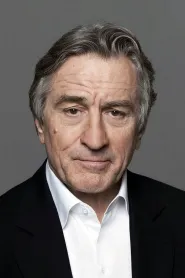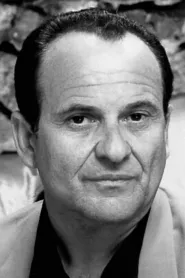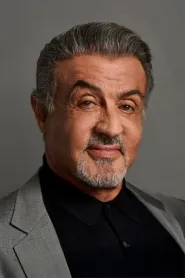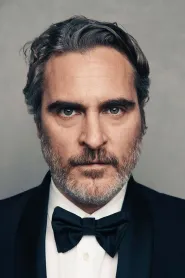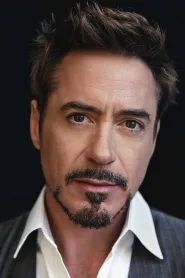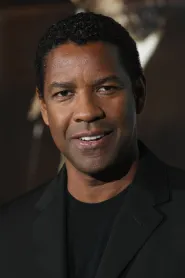
James Woods is a distinguished American actor recognized for his intense performances and compelling screen presence. Born on April 15, 1947, in Vernal, Utah, Woods has made a significant mark in the film industry, showcasing his remarkable range across various genres. With a career spanning several decades, he has become synonymous with complex characters that often delve into the darker sides of human nature.
Woods began his career in the late 1960s, making his debut in the off-Broadway production of "The Playroom." He transitioned to film with notable appearances in films such as "The Happy Hooker" (1975) and "The Onion Field" (1979). However, it was his role in "The Virgin Suicides" (1999) that garnered critical acclaim, allowing audiences to see a different facet of his talent. His portrayal of the troubled father in Sofia Coppola's hauntingly beautiful film showcased his ability to capture vulnerability while maintaining a commanding presence.
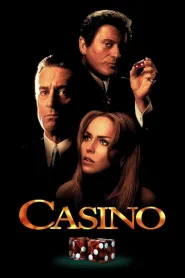
His breakthrough came with Martin Scorsese's "Casino" (1995), where James Woods delivered a memorable performance as the volatile and ambitious Lester Diamond. This role solidified his status as a formidable talent in Hollywood and led to further collaborations with esteemed directors. Woods has often worked with filmmakers who challenge him to push his artistic boundaries, including roles in acclaimed projects such as "Ghosts of Mississippi" (1996), where he portrayed the real-life assassin Byron De La Beckwith, earning an Academy Award nomination for Best Supporting Actor.
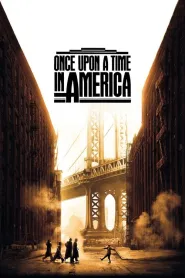
Throughout his career, James Woods has received numerous accolades for his performances, including two Primetime Emmy Awards and a Golden Globe Award. His artistic evolution is evident in his diverse filmography, which spans from gritty dramas to dark comedies, showcasing his adaptability and profound understanding of character. With roles in contemporary classics such as "Once Upon a Time in America" (1984) and "The General's Daughter" (1999), Woods has left an indelible mark on audiences worldwide.
James Woods remains a significant figure in the film industry, celebrated for his captivating performances and unique ability to immerse himself in complex roles. His contributions to cinema continue to inspire both aspiring actors and seasoned filmmakers, cementing his legacy as one of Hollywood's most talented actors.
Woods began his career in the late 1960s, making his debut in the off-Broadway production of "The Playroom." He transitioned to film with notable appearances in films such as "The Happy Hooker" (1975) and "The Onion Field" (1979). However, it was his role in "The Virgin Suicides" (1999) that garnered critical acclaim, allowing audiences to see a different facet of his talent. His portrayal of the troubled father in Sofia Coppola's hauntingly beautiful film showcased his ability to capture vulnerability while maintaining a commanding presence.
His breakthrough came with Martin Scorsese's "Casino" (1995), where James Woods delivered a memorable performance as the volatile and ambitious Lester Diamond. This role solidified his status as a formidable talent in Hollywood and led to further collaborations with esteemed directors. Woods has often worked with filmmakers who challenge him to push his artistic boundaries, including roles in acclaimed projects such as "Ghosts of Mississippi" (1996), where he portrayed the real-life assassin Byron De La Beckwith, earning an Academy Award nomination for Best Supporting Actor.
Throughout his career, James Woods has received numerous accolades for his performances, including two Primetime Emmy Awards and a Golden Globe Award. His artistic evolution is evident in his diverse filmography, which spans from gritty dramas to dark comedies, showcasing his adaptability and profound understanding of character. With roles in contemporary classics such as "Once Upon a Time in America" (1984) and "The General's Daughter" (1999), Woods has left an indelible mark on audiences worldwide.
James Woods remains a significant figure in the film industry, celebrated for his captivating performances and unique ability to immerse himself in complex roles. His contributions to cinema continue to inspire both aspiring actors and seasoned filmmakers, cementing his legacy as one of Hollywood's most talented actors.