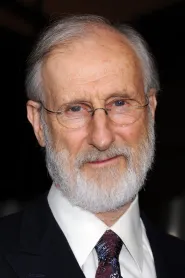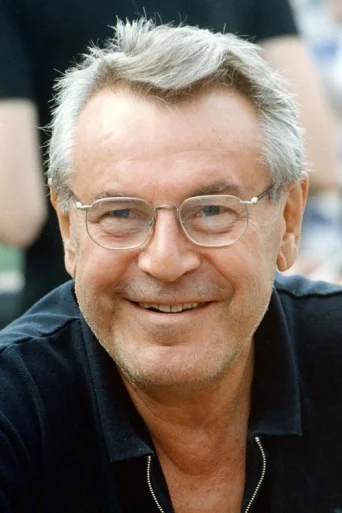
Miloš Forman was a celebrated Czech-American director whose work profoundly impacted the landscape of cinema. Renowned for his ability to blend humanism with dark humor, Forman's films often explored the complexities of individual freedom and societal constraints. His most iconic work, "One Flew Over the Cuckoo's Nest" (1975), not only earned him critical acclaim but also solidified his place as a master storyteller in Hollywood.
Born in 1932 in Čáslav, Czechoslovakia, Miloš Forman's early career began in the Czechoslovak New Wave, where he directed films such as "Black Peter" (1964) and "Loves of a Blonde" (1965). These films showcased his unique style and ability to capture the nuances of everyday life, which would later characterize his Hollywood endeavors. Forman's transition to the American film industry was marked by challenges, yet he quickly found success with his innovative approach to storytelling and character development.
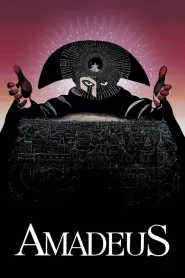
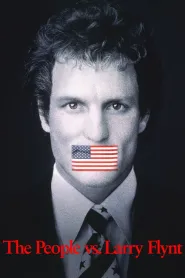
Forman's breakthrough came with "One Flew Over the Cuckoo's Nest," which won five Academy Awards, including Best Director for Forman himself. This film, adapted from Ken Kesey's novel, featured memorable performances by Jack Nicholson and Louise Fletcher and remains a cornerstone of American cinema. Following this monumental success, Forman continued to shine with other notable films, including "Amadeus" (1984), which explored the life of composer Wolfgang Amadeus Mozart, and "The People vs. Larry Flynt" (1996), a biographical drama that showcased Forman's commitment to tackling controversial subjects.
Throughout his illustrious career, Miloš Forman collaborated with an impressive array of actors and filmmakers, including the likes of F. Murray Abraham in "Amadeus" and Woody Harrelson in "The People vs. Larry Flynt." These collaborations not only enhanced the depth of his films but also underscored his talent for drawing out powerful performances from his cast. Forman's artistic evolution was evident as he navigated various genres, from biographical dramas to satirical comedies, all while maintaining his distinct voice.
Miloš Forman received numerous accolades for his contributions to film, including two Academy Awards for Best Director and a Golden Globe Award. His international recognition is a testament to his profound influence on cinema, as his films continue to resonate with audiences around the world. Forman's legacy endures, inspiring new generations of filmmakers and cinephiles to explore the intricate interplay between the individual and society. His work remains a vital part of film history, reflecting the human spirit's resilience amidst adversity.
Born in 1932 in Čáslav, Czechoslovakia, Miloš Forman's early career began in the Czechoslovak New Wave, where he directed films such as "Black Peter" (1964) and "Loves of a Blonde" (1965). These films showcased his unique style and ability to capture the nuances of everyday life, which would later characterize his Hollywood endeavors. Forman's transition to the American film industry was marked by challenges, yet he quickly found success with his innovative approach to storytelling and character development.
Forman's breakthrough came with "One Flew Over the Cuckoo's Nest," which won five Academy Awards, including Best Director for Forman himself. This film, adapted from Ken Kesey's novel, featured memorable performances by Jack Nicholson and Louise Fletcher and remains a cornerstone of American cinema. Following this monumental success, Forman continued to shine with other notable films, including "Amadeus" (1984), which explored the life of composer Wolfgang Amadeus Mozart, and "The People vs. Larry Flynt" (1996), a biographical drama that showcased Forman's commitment to tackling controversial subjects.
Throughout his illustrious career, Miloš Forman collaborated with an impressive array of actors and filmmakers, including the likes of F. Murray Abraham in "Amadeus" and Woody Harrelson in "The People vs. Larry Flynt." These collaborations not only enhanced the depth of his films but also underscored his talent for drawing out powerful performances from his cast. Forman's artistic evolution was evident as he navigated various genres, from biographical dramas to satirical comedies, all while maintaining his distinct voice.
Miloš Forman received numerous accolades for his contributions to film, including two Academy Awards for Best Director and a Golden Globe Award. His international recognition is a testament to his profound influence on cinema, as his films continue to resonate with audiences around the world. Forman's legacy endures, inspiring new generations of filmmakers and cinephiles to explore the intricate interplay between the individual and society. His work remains a vital part of film history, reflecting the human spirit's resilience amidst adversity.