Lee Strasberg was a pivotal figure in the world of acting and a transformative force in American cinema. Born in 1901 in Budzanów, Austria-Hungary, Strasberg immigrated to the United States with his family at a young age. He became synonymous with the Method acting technique, which emphasized emotional authenticity and psychological depth in performance. His contributions to the craft of acting not only shaped the careers of countless actors but also left an indelible mark on the film industry as a whole.
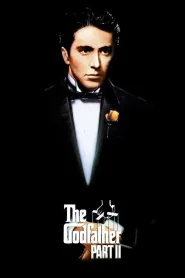
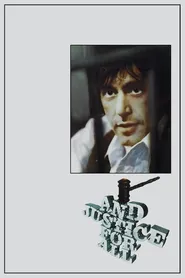
Strasberg began his career in the theater, co-founding the Group Theatre in New York City during the 1930s. This organization was instrumental in developing a new theatrical style that emphasized realism and a deep connection to characters. His early work in this arena laid the groundwork for his later ventures into film. Strasberg's breakthrough came through his performances in notable films such as "…And Justice for All" (1979) and "The Godfather Part II" (1974), in which he showcased his extraordinary ability to convey complex emotions and internal struggles.
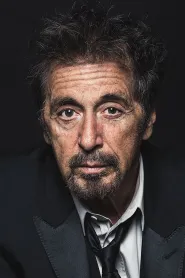
Throughout his career, Lee Strasberg collaborated with some of the most influential directors and actors of his time. His work with screen legends like Al Pacino and Marlon Brando illustrated his profound impact on their performances, and his teachings continue to resonate within acting schools and studios today. Strasberg's focus on the actor's personal experiences as a tool for performance allowed for the emergence of a new generation of performers who approached their craft with an unprecedented level of intensity and honesty.
Strasberg's artistic evolution was marked by a deepening understanding of the psychological aspects of acting. He adapted the Method approach to cater to the needs of both stage and screen, establishing himself as a leading instructor and mentor. His teachings at the Actors Studio, which he helped to establish, attracted aspiring actors and seasoned performers alike, creating a legacy that extends beyond his own performances.
In recognition of his contributions to film and theatre, Lee Strasberg was nominated for an Academy Award for Best Supporting Actor for his role in "The Godfather Part II." His influence on the craft of acting earned him both national and international acclaim, securing his legacy as a masterful artist and educator. Strasberg's dedication to the art of acting continues to inspire new generations of performers, affirming his place as one of the most significant figures in the history of American cinema. He passed away in 1982, leaving behind a rich legacy that continues to shape the landscape of acting today.
Strasberg began his career in the theater, co-founding the Group Theatre in New York City during the 1930s. This organization was instrumental in developing a new theatrical style that emphasized realism and a deep connection to characters. His early work in this arena laid the groundwork for his later ventures into film. Strasberg's breakthrough came through his performances in notable films such as "…And Justice for All" (1979) and "The Godfather Part II" (1974), in which he showcased his extraordinary ability to convey complex emotions and internal struggles.
Throughout his career, Lee Strasberg collaborated with some of the most influential directors and actors of his time. His work with screen legends like Al Pacino and Marlon Brando illustrated his profound impact on their performances, and his teachings continue to resonate within acting schools and studios today. Strasberg's focus on the actor's personal experiences as a tool for performance allowed for the emergence of a new generation of performers who approached their craft with an unprecedented level of intensity and honesty.
Strasberg's artistic evolution was marked by a deepening understanding of the psychological aspects of acting. He adapted the Method approach to cater to the needs of both stage and screen, establishing himself as a leading instructor and mentor. His teachings at the Actors Studio, which he helped to establish, attracted aspiring actors and seasoned performers alike, creating a legacy that extends beyond his own performances.
In recognition of his contributions to film and theatre, Lee Strasberg was nominated for an Academy Award for Best Supporting Actor for his role in "The Godfather Part II." His influence on the craft of acting earned him both national and international acclaim, securing his legacy as a masterful artist and educator. Strasberg's dedication to the art of acting continues to inspire new generations of performers, affirming his place as one of the most significant figures in the history of American cinema. He passed away in 1982, leaving behind a rich legacy that continues to shape the landscape of acting today.