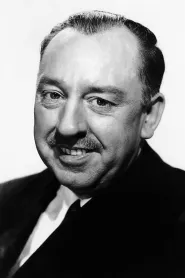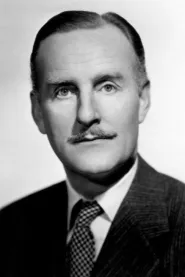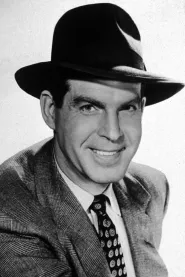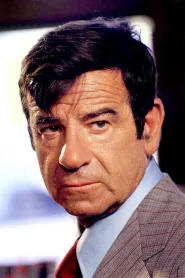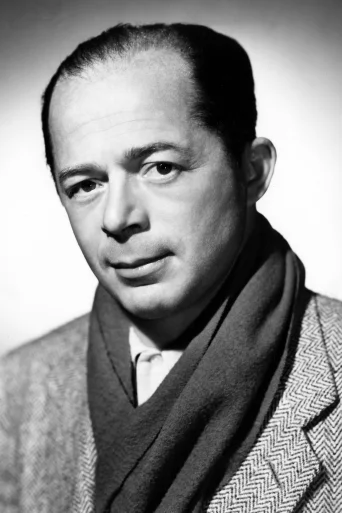
Billy Wilder, an iconic figure in the film industry, is celebrated for his innovative storytelling and sharp wit. As a director, producer, and screenwriter, Wilder's influence on cinema is immeasurable, with a career spanning over five decades. He is known for creating some of the most enduring classics in Hollywood, blending humor with poignant social commentary, and earning a lasting place in the pantheon of great filmmakers.
Wilder's journey began in Vienna, where he initially worked as a journalist before transitioning to the world of film. He made his directorial debut in the early 1930s in Germany, but it was after relocating to the United States that his career truly flourished. His breakthrough came with the film "Double Indemnity" (1944), a groundbreaking film noir that showcased his ability to craft suspenseful narratives filled with moral complexity. This film not only established Wilder as a major director but also set the stage for his future works, which would often challenge societal norms.
Among Billy Wilder's most famous films are "Sunset Boulevard" (1950), a darkly comic take on the perils of fame, and "Some Like It Hot" (1959), a wildly popular comedy that remains a staple in film history. "The Apartment" (1960) further solidified his reputation, winning the Academy Award for Best Picture and demonstrating his unique ability to blend romance with sharp social critique. Another notable film, "Witness for the Prosecution" (1957), showcased his skill in adapting compelling courtroom dramas, further highlighting his versatility as a filmmaker.
Throughout his illustrious career, Billy Wilder collaborated with some of the greatest talents in Hollywood, including actors like Marilyn Monroe, Jack Lemmon, and Audrey Hepburn. His partnerships with writers such as I.A. L. Diamond and Charles Brackett resulted in some of the most memorable screenplays in cinematic history. Wilder's artistic evolution is evident in his ability to navigate various genres, from film noir to romantic comedy, always leaving an indelible mark on audiences.
Billy Wilder's contributions to cinema have been recognized globally, earning him numerous accolades, including six Academy Awards. His films have not only entertained but have also inspired generations of filmmakers, cementing his legacy as one of the most important directors in Hollywood's history. As a master storyteller, Wilder's work continues to resonate, proving that great films are timeless and that his vision remains influential in the ever-evolving landscape of cinema.
Wilder's journey began in Vienna, where he initially worked as a journalist before transitioning to the world of film. He made his directorial debut in the early 1930s in Germany, but it was after relocating to the United States that his career truly flourished. His breakthrough came with the film "Double Indemnity" (1944), a groundbreaking film noir that showcased his ability to craft suspenseful narratives filled with moral complexity. This film not only established Wilder as a major director but also set the stage for his future works, which would often challenge societal norms.
Among Billy Wilder's most famous films are "Sunset Boulevard" (1950), a darkly comic take on the perils of fame, and "Some Like It Hot" (1959), a wildly popular comedy that remains a staple in film history. "The Apartment" (1960) further solidified his reputation, winning the Academy Award for Best Picture and demonstrating his unique ability to blend romance with sharp social critique. Another notable film, "Witness for the Prosecution" (1957), showcased his skill in adapting compelling courtroom dramas, further highlighting his versatility as a filmmaker.
Throughout his illustrious career, Billy Wilder collaborated with some of the greatest talents in Hollywood, including actors like Marilyn Monroe, Jack Lemmon, and Audrey Hepburn. His partnerships with writers such as I.A. L. Diamond and Charles Brackett resulted in some of the most memorable screenplays in cinematic history. Wilder's artistic evolution is evident in his ability to navigate various genres, from film noir to romantic comedy, always leaving an indelible mark on audiences.
Billy Wilder's contributions to cinema have been recognized globally, earning him numerous accolades, including six Academy Awards. His films have not only entertained but have also inspired generations of filmmakers, cementing his legacy as one of the most important directors in Hollywood's history. As a master storyteller, Wilder's work continues to resonate, proving that great films are timeless and that his vision remains influential in the ever-evolving landscape of cinema.