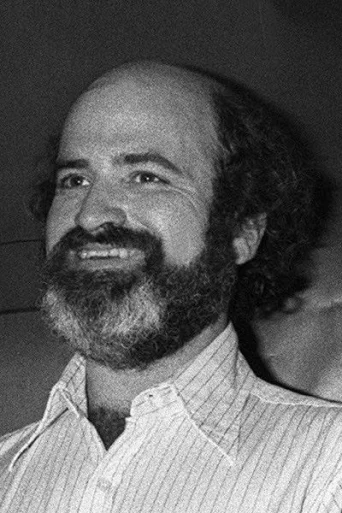
Terrence Malick, born in 1943 in Ottawa, Illinois, is a highly influential American filmmaker known for his poetic and philosophical approach to cinema. With a career that spans over five decades, Malick has carved a unique niche in the film industry, often exploring themes of nature, existence, and the human condition. His signature style, characterized by visually stunning imagery and minimal dialogue, has earned him a distinct place among the great directors of Hollywood.
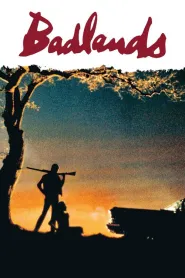
Malick's early career began with his debut feature, "Badlands" (1973), which showcased his ability to blend lyrical storytelling with vibrant cinematography. The film, inspired by the real-life romance of Charles Starkweather and Caril Ann Fugate, featured a young Martin Sheen and Sissy Spacek and was met with critical acclaim. This early success established Terrence Malick as a visionary filmmaker, paving the way for his subsequent works.
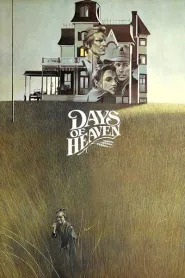
His breakthrough came with "Days of Heaven" (1978), a visually arresting film that further solidified his reputation. The film, set in the early 20th century, told a poignant love story amidst the backdrop of the American wheat fields. The breathtaking cinematography earned accolades, showcasing Malick's ability to create a vivid sense of place that remains a hallmark of his filmmaking. However, it was "The Thin Red Line" (1998) that marked a significant return to the cinematic landscape after a lengthy hiatus. This World War II epic, featuring an ensemble cast that included Sean Penn, Adrien Brody, and Jim Caviezel, was praised for its contemplative narrative and striking visuals, earning multiple Academy Award nominations.
Throughout his career, Terrence Malick has collaborated with a range of renowned actors and cinematographers, including Emmanuel Lubezki, whose work on films like "The Tree of Life" (2011) and "To the Wonder" (2012) exemplified Malick's artistic evolution. His films often challenge traditional narrative structures, inviting audiences to engage with themes of spirituality and nature in a deeply reflective manner. This artistic journey has not only garnered critical acclaim but has also earned Malick numerous awards, including the Palme d'Or at the Cannes Film Festival for "The Tree of Life."
Today, Terrence Malick remains a pivotal figure in contemporary cinema, continuing to push the boundaries of narrative and visual storytelling. His unique perspective and dedication to exploring the intricacies of life and existence have left an indelible mark on the film industry, inspiring a new generation of filmmakers and audiences alike. As his filmography continues to evolve, Terrence Malick's contributions to the art of filmmaking will undoubtedly be celebrated for years to come.
Malick's early career began with his debut feature, "Badlands" (1973), which showcased his ability to blend lyrical storytelling with vibrant cinematography. The film, inspired by the real-life romance of Charles Starkweather and Caril Ann Fugate, featured a young Martin Sheen and Sissy Spacek and was met with critical acclaim. This early success established Terrence Malick as a visionary filmmaker, paving the way for his subsequent works.
His breakthrough came with "Days of Heaven" (1978), a visually arresting film that further solidified his reputation. The film, set in the early 20th century, told a poignant love story amidst the backdrop of the American wheat fields. The breathtaking cinematography earned accolades, showcasing Malick's ability to create a vivid sense of place that remains a hallmark of his filmmaking. However, it was "The Thin Red Line" (1998) that marked a significant return to the cinematic landscape after a lengthy hiatus. This World War II epic, featuring an ensemble cast that included Sean Penn, Adrien Brody, and Jim Caviezel, was praised for its contemplative narrative and striking visuals, earning multiple Academy Award nominations.
Throughout his career, Terrence Malick has collaborated with a range of renowned actors and cinematographers, including Emmanuel Lubezki, whose work on films like "The Tree of Life" (2011) and "To the Wonder" (2012) exemplified Malick's artistic evolution. His films often challenge traditional narrative structures, inviting audiences to engage with themes of spirituality and nature in a deeply reflective manner. This artistic journey has not only garnered critical acclaim but has also earned Malick numerous awards, including the Palme d'Or at the Cannes Film Festival for "The Tree of Life."
Today, Terrence Malick remains a pivotal figure in contemporary cinema, continuing to push the boundaries of narrative and visual storytelling. His unique perspective and dedication to exploring the intricacies of life and existence have left an indelible mark on the film industry, inspiring a new generation of filmmakers and audiences alike. As his filmography continues to evolve, Terrence Malick's contributions to the art of filmmaking will undoubtedly be celebrated for years to come.