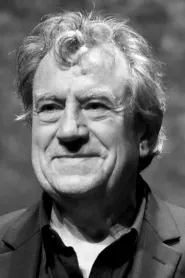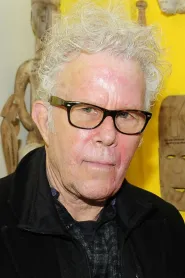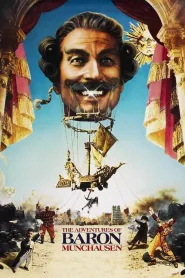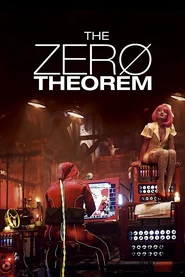
Terry Gilliam is an acclaimed American-born director, screenwriter, animator, and actor whose unique vision has left an indelible mark on the film industry. Born in 1940 in Minneapolis, Minnesota, Gilliam rose to prominence as a key member of the Monty Python comedy troupe, contributing his distinctive animation style and offbeat humor to some of their most beloved works. His films are characterized by their fantastical elements, intricate storytelling, and often surreal aesthetics, placing him in a distinctive position within the realm of Hollywood cinema.
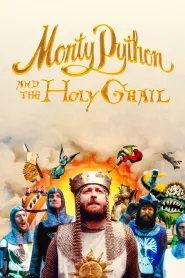
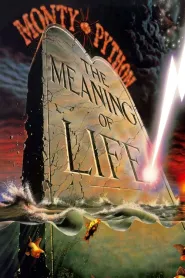
Gilliam's early career was rooted in animation and television, where he honed his craft before transitioning to feature films. His breakout role came with the Monty Python films, particularly "Monty Python and the Holy Grail" (1975) and "Life of Brian" (1979), both of which showcased his flair for blending humor with social commentary. These projects not only solidified his reputation as a filmmaker but also laid the groundwork for his subsequent works that would delve deeper into the realms of fantasy and science fiction.
Among Gilliam's most notable films is "Twelve Monkeys" (1995), a dystopian narrative that explores themes of time travel and mental health. This film received critical acclaim and earned multiple award nominations, highlighting Gilliam's ability to engage audiences with thought-provoking concepts while maintaining an entertaining edge. His collaboration with Bruce Willis and Madeleine Stowe in this film is often celebrated as one of the high points of his career, showcasing his skill in directing complex narratives and compelling performances.
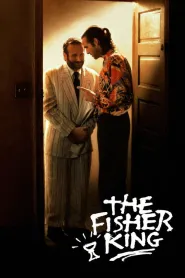
Throughout his career, Terry Gilliam has partnered with a variety of esteemed actors and directors, further enriching his filmography. His artistic evolution is evident in works such as "Brazil" (1985) and "The Fisher King" (1991), both of which display his unique blend of dark humor and surrealism. Gilliam's films often challenge conventions and invite audiences to explore the absurdities of life, earning him a dedicated following and recognition as a visionary filmmaker.
Gilliam's contributions to cinema have not gone unnoticed in the industry, as he has received numerous accolades and nominations, including BAFTAs and a Golden Globe Award. His films continue to inspire and provoke discussions about the boundaries of storytelling and the power of imagination. With a career spanning decades, Terry Gilliam's legacy as a unique voice in filmmaking remains influential, and his works continue to resonate with audiences around the world.
Gilliam's early career was rooted in animation and television, where he honed his craft before transitioning to feature films. His breakout role came with the Monty Python films, particularly "Monty Python and the Holy Grail" (1975) and "Life of Brian" (1979), both of which showcased his flair for blending humor with social commentary. These projects not only solidified his reputation as a filmmaker but also laid the groundwork for his subsequent works that would delve deeper into the realms of fantasy and science fiction.
Among Gilliam's most notable films is "Twelve Monkeys" (1995), a dystopian narrative that explores themes of time travel and mental health. This film received critical acclaim and earned multiple award nominations, highlighting Gilliam's ability to engage audiences with thought-provoking concepts while maintaining an entertaining edge. His collaboration with Bruce Willis and Madeleine Stowe in this film is often celebrated as one of the high points of his career, showcasing his skill in directing complex narratives and compelling performances.
Throughout his career, Terry Gilliam has partnered with a variety of esteemed actors and directors, further enriching his filmography. His artistic evolution is evident in works such as "Brazil" (1985) and "The Fisher King" (1991), both of which display his unique blend of dark humor and surrealism. Gilliam's films often challenge conventions and invite audiences to explore the absurdities of life, earning him a dedicated following and recognition as a visionary filmmaker.
Gilliam's contributions to cinema have not gone unnoticed in the industry, as he has received numerous accolades and nominations, including BAFTAs and a Golden Globe Award. His films continue to inspire and provoke discussions about the boundaries of storytelling and the power of imagination. With a career spanning decades, Terry Gilliam's legacy as a unique voice in filmmaking remains influential, and his works continue to resonate with audiences around the world.