Paul Greengrass is a renowned British director and screenwriter, celebrated for his compelling storytelling and innovative cinematic techniques. Born in 1955 in Cheam, Surrey, England, Paul Greengrass emerged as a significant figure in Hollywood, known for his ability to blend thrilling narratives with real-world issues. His work often showcases a keen eye for detail and an immersive approach that captivates audiences, making him one of the most respected directors in contemporary cinema.
Greengrass began his career in the late 1980s, initially directing documentaries that offered a raw and unfiltered look at various subjects. His breakthrough came with the critically acclaimed film "Bloody Sunday" (2002), which recounts the events of the 1972 civil rights march in Derry, Northern Ireland. This film not only showcased his unique directorial style but also established him as a director capable of handling complex and sensitive topics with grace and authenticity.
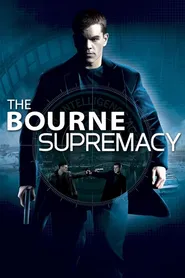
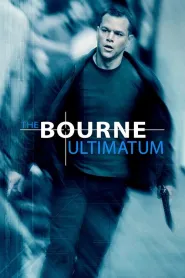
His collaboration with Matt Damon on the "Bourne" series marked a pivotal point in Paul Greengrass's career. Directing "The Bourne Supremacy" (2004) and "The Bourne Ultimatum" (2007), he revitalized the action genre with a gritty realism that set new standards for thrillers. Greengrass returned to the franchise with "Jason Bourne" (2016), reaffirming his mastery of action and suspense. These films not only garnered commercial success but also solidified Greengrass's reputation as a filmmaker who understands the intricacies of character development within high-stakes narratives.
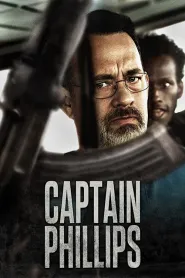
In addition to the "Bourne" series, Paul Greengrass directed "Captain Phillips" (2013), a gripping tale based on the true story of a hijacking that earned him widespread acclaim and multiple Academy Award nominations. His ability to create tension and convey emotional depth is further exemplified in "News of the World" (2020), a poignant exploration of humanity amidst a turbulent backdrop, which showcases his artistic evolution and adaptability to different genres.
Throughout his career, Paul Greengrass has received numerous accolades and international recognition for his contributions to film. His films have resonated with audiences worldwide, demonstrating a unique blend of entertainment and thought-provoking content. With a filmography that continues to inspire and provoke discussion, Paul Greengrass remains a pivotal figure in the landscape of modern cinema, shaping the future of storytelling through his distinctive lens.
Greengrass began his career in the late 1980s, initially directing documentaries that offered a raw and unfiltered look at various subjects. His breakthrough came with the critically acclaimed film "Bloody Sunday" (2002), which recounts the events of the 1972 civil rights march in Derry, Northern Ireland. This film not only showcased his unique directorial style but also established him as a director capable of handling complex and sensitive topics with grace and authenticity.
His collaboration with Matt Damon on the "Bourne" series marked a pivotal point in Paul Greengrass's career. Directing "The Bourne Supremacy" (2004) and "The Bourne Ultimatum" (2007), he revitalized the action genre with a gritty realism that set new standards for thrillers. Greengrass returned to the franchise with "Jason Bourne" (2016), reaffirming his mastery of action and suspense. These films not only garnered commercial success but also solidified Greengrass's reputation as a filmmaker who understands the intricacies of character development within high-stakes narratives.
In addition to the "Bourne" series, Paul Greengrass directed "Captain Phillips" (2013), a gripping tale based on the true story of a hijacking that earned him widespread acclaim and multiple Academy Award nominations. His ability to create tension and convey emotional depth is further exemplified in "News of the World" (2020), a poignant exploration of humanity amidst a turbulent backdrop, which showcases his artistic evolution and adaptability to different genres.
Throughout his career, Paul Greengrass has received numerous accolades and international recognition for his contributions to film. His films have resonated with audiences worldwide, demonstrating a unique blend of entertainment and thought-provoking content. With a filmography that continues to inspire and provoke discussion, Paul Greengrass remains a pivotal figure in the landscape of modern cinema, shaping the future of storytelling through his distinctive lens.