Gary Busey is a notable figure in the film industry, renowned for his dynamic acting style and memorable performances that have left an indelible mark on Hollywood. Born on June 29, 1944, Busey first rose to prominence in the 1970s and has since carved out a diverse career that spans several decades and genres. With a filmography that showcases his versatility, Busey has established himself as a captivating actor with an unmistakable presence on screen.
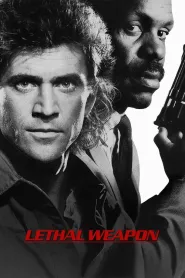
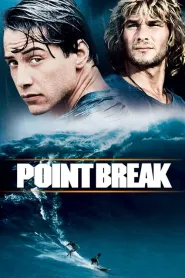
Busey’s early career began with his work in theater and television, but his breakthrough role came in 1978 when he portrayed Buddy Holly in "The Buddy Holly Story." This performance not only earned him an Academy Award nomination but also set the stage for a series of impactful roles in both drama and action films. The 1980s marked a significant period for Gary Busey, as he starred in iconic films such as "Lethal Weapon" (1987) and "Point Break" (1991), where his portrayals of antagonistic characters showcased his ability to embody complex personas.
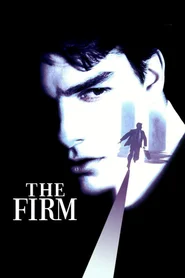
In addition to his notable roles in action films, Gary Busey demonstrated his range in psychological and dramatic narratives, most notably in "Lost Highway" (1997) and "The Firm" (1993). His collaborations with acclaimed directors, such as David Lynch in "Lost Highway," further highlighted his artistic evolution and willingness to take on unconventional roles. Busey’s performances are often characterized by a unique blend of intensity and charisma, which has endeared him to audiences and critics alike.
Throughout his career, Gary Busey has received various accolades, further solidifying his status in Hollywood. His work has garnered attention not only for its entertainment value but also for the way it challenges traditional storytelling. Busey’s dedication to his craft has earned him recognition, and he continues to be a respected figure in the industry, engaging with new projects that reflect his ever-evolving artistry.
As an actor whose career has been marked by both triumphs and challenges, Gary Busey remains a fascinating talent whose contributions to film continue to resonate. His ability to navigate between diverse roles and genres speaks to his enduring legacy in Hollywood, making him a compelling subject of study for film enthusiasts and scholars alike. Busey’s journey through the cinematic landscape is a testament to the transformative power of performance and the lasting impact an actor can have on the world of film.
Busey’s early career began with his work in theater and television, but his breakthrough role came in 1978 when he portrayed Buddy Holly in "The Buddy Holly Story." This performance not only earned him an Academy Award nomination but also set the stage for a series of impactful roles in both drama and action films. The 1980s marked a significant period for Gary Busey, as he starred in iconic films such as "Lethal Weapon" (1987) and "Point Break" (1991), where his portrayals of antagonistic characters showcased his ability to embody complex personas.
In addition to his notable roles in action films, Gary Busey demonstrated his range in psychological and dramatic narratives, most notably in "Lost Highway" (1997) and "The Firm" (1993). His collaborations with acclaimed directors, such as David Lynch in "Lost Highway," further highlighted his artistic evolution and willingness to take on unconventional roles. Busey’s performances are often characterized by a unique blend of intensity and charisma, which has endeared him to audiences and critics alike.
Throughout his career, Gary Busey has received various accolades, further solidifying his status in Hollywood. His work has garnered attention not only for its entertainment value but also for the way it challenges traditional storytelling. Busey’s dedication to his craft has earned him recognition, and he continues to be a respected figure in the industry, engaging with new projects that reflect his ever-evolving artistry.
As an actor whose career has been marked by both triumphs and challenges, Gary Busey remains a fascinating talent whose contributions to film continue to resonate. His ability to navigate between diverse roles and genres speaks to his enduring legacy in Hollywood, making him a compelling subject of study for film enthusiasts and scholars alike. Busey’s journey through the cinematic landscape is a testament to the transformative power of performance and the lasting impact an actor can have on the world of film.