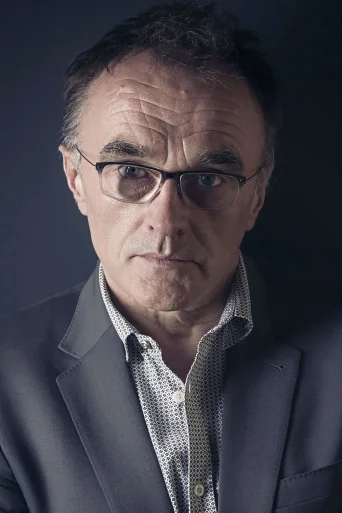
Danny Boyle is a transformative figure in the film industry, renowned for his eclectic range and innovative storytelling. With a career that spans over three decades, Boyle has become one of the most celebrated directors in Hollywood, known for his ability to blend genre, style, and emotion in a way that resonates with audiences worldwide. His artistic vision has not only earned him critical acclaim but has also shaped contemporary cinema through groundbreaking narratives and striking visual aesthetics.
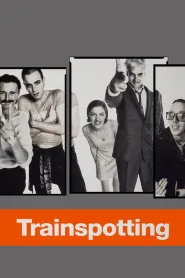
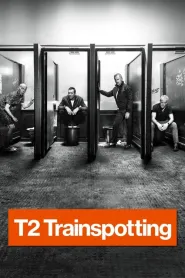
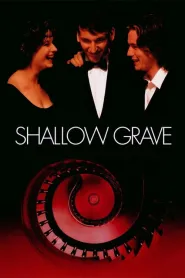
Born on October 20, 1956, in Radcliffe, England, Danny Boyle began his career in television, directing for various productions before making his feature film debut with "Shallow Grave" in 1994. The film garnered both commercial success and critical acclaim, establishing Boyle as a promising talent in the industry. However, it was his next project, "Trainspotting" (1996), that solidified his reputation as a visionary director. The film, which depicted the struggles of heroin addiction in Edinburgh, became a cult classic and is often regarded as one of the greatest British films of all time. With its dynamic storytelling and unforgettable characters, "Trainspotting" showcased Boyle’s unique style and ability to tackle complex themes with authenticity.
Following the success of "Trainspotting," Boyle continued to push creative boundaries with films like "28 Days Later" (2002) and "Slumdog Millionaire" (2008). The latter, a vibrant tale of love and fate set against the backdrop of India's socio-economic landscape, won eight Academy Awards, including Best Director for Boyle. This triumph catapulted him into the international spotlight, further establishing his reputation as a masterful storyteller capable of crafting emotionally resonant narratives that transcend cultural barriers.
Boyle's artistic evolution is marked by his willingness to experiment with different genres and formats. From the science fiction thriller "Sunshine" (2007) to the poignant biopic "Steve Jobs" (2015), his filmography showcases a diverse array of themes and styles. Additionally, his collaboration with notable actors such as Ewan McGregor, Dev Patel, and Michael Fassbender has produced some of the most memorable performances in contemporary cinema, further enhancing his films' impact.
Throughout his illustrious career, Danny Boyle has received numerous accolades and honors, including BAFTA Awards and Golden Globes. His work has not only captivated audiences but has also inspired a new generation of filmmakers. As he continues to explore the possibilities of storytelling in film, Boyle’s legacy as one of Hollywood's most innovative directors remains firmly established in the annals of cinema history.
Born on October 20, 1956, in Radcliffe, England, Danny Boyle began his career in television, directing for various productions before making his feature film debut with "Shallow Grave" in 1994. The film garnered both commercial success and critical acclaim, establishing Boyle as a promising talent in the industry. However, it was his next project, "Trainspotting" (1996), that solidified his reputation as a visionary director. The film, which depicted the struggles of heroin addiction in Edinburgh, became a cult classic and is often regarded as one of the greatest British films of all time. With its dynamic storytelling and unforgettable characters, "Trainspotting" showcased Boyle’s unique style and ability to tackle complex themes with authenticity.
Following the success of "Trainspotting," Boyle continued to push creative boundaries with films like "28 Days Later" (2002) and "Slumdog Millionaire" (2008). The latter, a vibrant tale of love and fate set against the backdrop of India's socio-economic landscape, won eight Academy Awards, including Best Director for Boyle. This triumph catapulted him into the international spotlight, further establishing his reputation as a masterful storyteller capable of crafting emotionally resonant narratives that transcend cultural barriers.
Boyle's artistic evolution is marked by his willingness to experiment with different genres and formats. From the science fiction thriller "Sunshine" (2007) to the poignant biopic "Steve Jobs" (2015), his filmography showcases a diverse array of themes and styles. Additionally, his collaboration with notable actors such as Ewan McGregor, Dev Patel, and Michael Fassbender has produced some of the most memorable performances in contemporary cinema, further enhancing his films' impact.
Throughout his illustrious career, Danny Boyle has received numerous accolades and honors, including BAFTA Awards and Golden Globes. His work has not only captivated audiences but has also inspired a new generation of filmmakers. As he continues to explore the possibilities of storytelling in film, Boyle’s legacy as one of Hollywood's most innovative directors remains firmly established in the annals of cinema history.