George Stevens was a seminal figure in American cinema, renowned for his ability to blend profound storytelling with stunning visual artistry. Over the course of his illustrious career, which spanned several decades from the 1930s to the 1970s, Stevens established himself as one of Hollywood's most respected directors. His films often explored themes of human resilience and moral complexity, making him a vital contributor to the evolution of American filmmaking.
Born on December 18, 1904, in Oakland, California, George Stevens began his career in the film industry during the early days of Hollywood. His directorial debut came in 1934 with the film "The Party's Over." However, it was in the late 1940s that Stevens truly began to make his mark, particularly with the release of "A Place in the Sun" in 1951. This film not only showcased his knack for compelling narratives but also solidified his status as a leading director of the era, earning him his first Academy Award for Best Director.
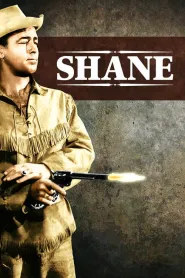
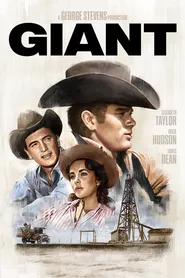
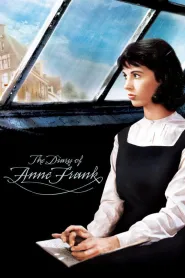
Stevens' breakout success continued with "Shane" in 1953, a film that remains a cornerstone of the Western genre. The film's stunning cinematography, combined with its poignant exploration of heroism and moral ambiguity, established Stevens as a master of visual storytelling. He further demonstrated his versatility with "Giant" in 1956, a sprawling epic that tackled themes of race and class in America, earning him yet another Academy Award nomination. His adaptation of "The Diary of Anne Frank" in 1959 showcased his ability to handle sensitive material with grace and depth, further cementing his reputation as a director of significant emotional weight.
Throughout his career, George Stevens collaborated with a plethora of notable actors and actresses, including the legendary Montgomery Clift and Elizabeth Taylor. His unique vision often brought out the best performances from his cast, creating iconic moments in film history. Stevens' artistic evolution is evident in his ability to tackle various genres, from intimate dramas to grand epics, showcasing not only his technical prowess but also his deep understanding of human nature.
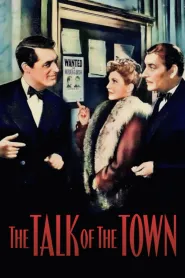
George Stevens' contributions to cinema have been recognized with numerous accolades, including two Academy Awards for Best Director and a special Oscar for his humanitarian efforts. His films continue to resonate with audiences, and his legacy endures as a testament to the power of storytelling in film. With a filmography that includes classics such as "The Talk of the Town" and "The Diary of Anne Frank," George Stevens remains a pivotal figure in the annals of Hollywood history, whose works continue to inspire filmmakers and audiences alike.
Born on December 18, 1904, in Oakland, California, George Stevens began his career in the film industry during the early days of Hollywood. His directorial debut came in 1934 with the film "The Party's Over." However, it was in the late 1940s that Stevens truly began to make his mark, particularly with the release of "A Place in the Sun" in 1951. This film not only showcased his knack for compelling narratives but also solidified his status as a leading director of the era, earning him his first Academy Award for Best Director.
Stevens' breakout success continued with "Shane" in 1953, a film that remains a cornerstone of the Western genre. The film's stunning cinematography, combined with its poignant exploration of heroism and moral ambiguity, established Stevens as a master of visual storytelling. He further demonstrated his versatility with "Giant" in 1956, a sprawling epic that tackled themes of race and class in America, earning him yet another Academy Award nomination. His adaptation of "The Diary of Anne Frank" in 1959 showcased his ability to handle sensitive material with grace and depth, further cementing his reputation as a director of significant emotional weight.
Throughout his career, George Stevens collaborated with a plethora of notable actors and actresses, including the legendary Montgomery Clift and Elizabeth Taylor. His unique vision often brought out the best performances from his cast, creating iconic moments in film history. Stevens' artistic evolution is evident in his ability to tackle various genres, from intimate dramas to grand epics, showcasing not only his technical prowess but also his deep understanding of human nature.
George Stevens' contributions to cinema have been recognized with numerous accolades, including two Academy Awards for Best Director and a special Oscar for his humanitarian efforts. His films continue to resonate with audiences, and his legacy endures as a testament to the power of storytelling in film. With a filmography that includes classics such as "The Talk of the Town" and "The Diary of Anne Frank," George Stevens remains a pivotal figure in the annals of Hollywood history, whose works continue to inspire filmmakers and audiences alike.