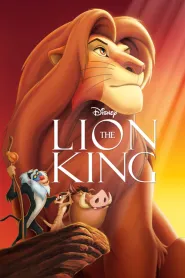
Roger Allers was a highly regarded American filmmaker and screenwriter, best known for his significant contributions to the world of animation and storytelling in film. Born in 1949 in Rye, New York, Allers carved a niche for himself in the industry, showcasing his creative talents through both writing and directing. His most notable achievement, "The Lion King" (1994), remains a cornerstone of animated cinema, celebrated for its compelling narrative, memorable characters, and innovative music.
Allers began his career in the animation sector, where he honed his skills at various studios before making a name for himself at Walt Disney Animation Studios. His breakthrough came with the direction of "The Lion King," a film that not only became a massive box office success but also redefined Disney's approach to storytelling in animation. The film's rich themes of responsibility, redemption, and the circle of life resonated with audiences around the world, establishing Allers as a key figure in the revival of Disney's animation legacy during the 1990s.
Beyond "The Lion King," Roger Allers contributed to other notable projects, including the animated feature "Hunchback of Notre Dame" (1996) and "The Little Match Girl" (2006). His collaborations with directors and fellow writers allowed him to explore diverse themes and styles, further enriching his filmography. Allers was known for his ability to weave emotional depth into his narratives, a skill that set his work apart and earned him lasting recognition in the industry.
Throughout his career, Roger Allers garnered several awards and nominations, reflecting his influence and talent within the film community. His work on "The Lion King" earned him an Academy Award nomination for Best Original Song for the iconic track "Can You Feel the Love Tonight." Additionally, Allers received accolades from various film organizations, celebrating his contributions to animated filmmaking and storytelling.
As he continued to evolve as an artist, Roger Allers remained dedicated to pushing the boundaries of animation and engaging audiences of all ages. His legacy is marked by a commitment to compelling storytelling and the transformative power of film, ensuring that his work will be remembered and cherished for generations to come. Roger Allers passed away in 2026, leaving behind a rich tapestry of cinematic achievements that continue to inspire filmmakers and audiences alike.
Allers began his career in the animation sector, where he honed his skills at various studios before making a name for himself at Walt Disney Animation Studios. His breakthrough came with the direction of "The Lion King," a film that not only became a massive box office success but also redefined Disney's approach to storytelling in animation. The film's rich themes of responsibility, redemption, and the circle of life resonated with audiences around the world, establishing Allers as a key figure in the revival of Disney's animation legacy during the 1990s.
Beyond "The Lion King," Roger Allers contributed to other notable projects, including the animated feature "Hunchback of Notre Dame" (1996) and "The Little Match Girl" (2006). His collaborations with directors and fellow writers allowed him to explore diverse themes and styles, further enriching his filmography. Allers was known for his ability to weave emotional depth into his narratives, a skill that set his work apart and earned him lasting recognition in the industry.
Throughout his career, Roger Allers garnered several awards and nominations, reflecting his influence and talent within the film community. His work on "The Lion King" earned him an Academy Award nomination for Best Original Song for the iconic track "Can You Feel the Love Tonight." Additionally, Allers received accolades from various film organizations, celebrating his contributions to animated filmmaking and storytelling.
As he continued to evolve as an artist, Roger Allers remained dedicated to pushing the boundaries of animation and engaging audiences of all ages. His legacy is marked by a commitment to compelling storytelling and the transformative power of film, ensuring that his work will be remembered and cherished for generations to come. Roger Allers passed away in 2026, leaving behind a rich tapestry of cinematic achievements that continue to inspire filmmakers and audiences alike.