Maggie Gyllenhaal is a distinguished American actress known for her captivating performances that blend vulnerability with strength. Born in 1977 on the Lower East Side of New York City, Gyllenhaal has carved a unique niche in Hollywood, establishing herself as both a versatile performer and a compelling storyteller. With a career that spans over two decades, she has garnered critical acclaim, including an Academy Award nomination and a Golden Globe Award, solidifying her status as one of the industry's most respected talents.
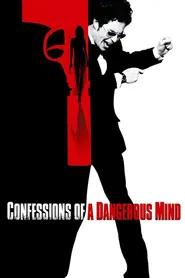
Gyllenhaal's entry into the film world began with her debut in the 2001 cult classic "Donnie Darko," where her portrayal of the enigmatic sister to Jake Gyllenhaal's character showcased her ability to navigate complex emotional landscapes. This role set the stage for her subsequent breakthrough in George Clooney's "Confessions of a Dangerous Mind" (2002), where she captivated audiences with her dynamic presence. However, it was her role as Rachel Dawes in Christopher Nolan's blockbuster "The Dark Knight" (2008) that truly catapulted her into the spotlight, allowing her to demonstrate her range in a high-stakes narrative.
Throughout her career, Maggie Gyllenhaal has collaborated with some of the most esteemed directors and actors in the industry. Her performances in films such as "Secretary" (2002) and "The Honourable Woman" (2014) not only garnered awards but also highlighted her ability to tackle challenging and unconventional roles. This artistic evolution reflects her commitment to exploring diverse characters, often portraying women who defy societal norms and expectations.
In addition to her film work, Gyllenhaal has made significant contributions to television, earning praise for her role in the acclaimed series "The Deuce," where her performance as a complex character further demonstrated her range and depth as an actress. Her ability to seamlessly transition between film and television has solidified her reputation as a versatile performer capable of captivating audiences in various formats.
Maggie Gyllenhaal's impact on the film industry is undeniable, with her work resonating with both critics and audiences alike. Her dedication to her craft and her choice of thought-provoking roles have not only earned her numerous accolades but have also inspired a new generation of actresses. As she continues to evolve as an artist, Gyllenhaal remains a significant figure in contemporary cinema, leaving an indelible mark on the landscape of Hollywood.
Gyllenhaal's entry into the film world began with her debut in the 2001 cult classic "Donnie Darko," where her portrayal of the enigmatic sister to Jake Gyllenhaal's character showcased her ability to navigate complex emotional landscapes. This role set the stage for her subsequent breakthrough in George Clooney's "Confessions of a Dangerous Mind" (2002), where she captivated audiences with her dynamic presence. However, it was her role as Rachel Dawes in Christopher Nolan's blockbuster "The Dark Knight" (2008) that truly catapulted her into the spotlight, allowing her to demonstrate her range in a high-stakes narrative.
Throughout her career, Maggie Gyllenhaal has collaborated with some of the most esteemed directors and actors in the industry. Her performances in films such as "Secretary" (2002) and "The Honourable Woman" (2014) not only garnered awards but also highlighted her ability to tackle challenging and unconventional roles. This artistic evolution reflects her commitment to exploring diverse characters, often portraying women who defy societal norms and expectations.
In addition to her film work, Gyllenhaal has made significant contributions to television, earning praise for her role in the acclaimed series "The Deuce," where her performance as a complex character further demonstrated her range and depth as an actress. Her ability to seamlessly transition between film and television has solidified her reputation as a versatile performer capable of captivating audiences in various formats.
Maggie Gyllenhaal's impact on the film industry is undeniable, with her work resonating with both critics and audiences alike. Her dedication to her craft and her choice of thought-provoking roles have not only earned her numerous accolades but have also inspired a new generation of actresses. As she continues to evolve as an artist, Gyllenhaal remains a significant figure in contemporary cinema, leaving an indelible mark on the landscape of Hollywood.