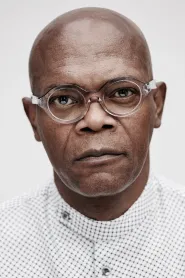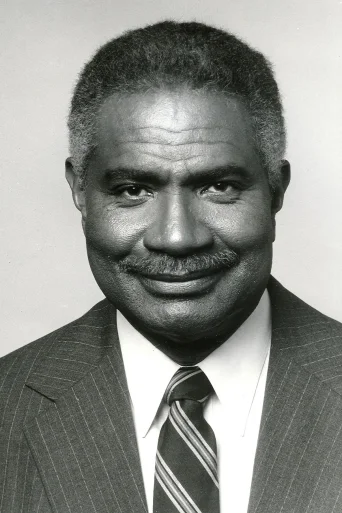
Ossie Davis was a distinguished American actor, director, and playwright whose impactful work in the film industry left an indelible mark on Hollywood and beyond. Born on December 18, 1917, in Cogdell, Georgia, Davis emerged as a powerful voice in cinema, celebrated for his compelling performances and commitment to social justice. He is widely recognized for his ability to tackle complex roles that resonate with audiences, making significant contributions to the portrayal of African American experiences in film.
Davis began his career in the 1940s, initially gaining recognition on the stage. His debut film role came in 1950 with "No Way Out," where he portrayed a character that reflected the racial tensions of the time. However, it was his breakout performance in the 1960s that solidified his status as a prominent actor. Notable films such as "The Stand" (1964) and "Do the Right Thing" (1989) showcased his versatility and depth, allowing him to delve into the intricacies of human emotion and social issues.
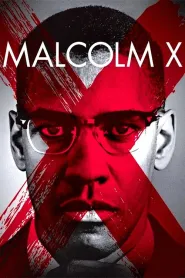
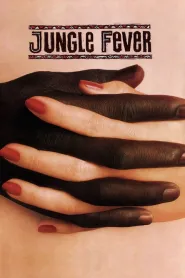
Throughout his extensive filmography, Ossie Davis collaborated with esteemed directors and actors, further enhancing his prominence in the industry. His work with Spike Lee in films like "Jungle Fever" (1991) and "Malcolm X" (1992) highlighted his ability to convey powerful narratives about race and identity. Additionally, Davis starred alongside legends such as Jack Lemmon and Walter Matthau in "Grumpy Old Men" (1993), showcasing his comedic talent while maintaining the gravitas that defined much of his work.
As Davis's career evolved, he garnered numerous accolades, winning ten awards throughout his lifetime, including a NAACP Image Award. His performances earned him international recognition, establishing him not just as an actor, but as a cultural icon who used his platform to advocate for civil rights and equality. His contributions extended beyond the screen, as he also directed and produced various projects, further cementing his legacy in the arts.
Ossie Davis passed away on February 4, 2005, but his influence within the film industry continues to inspire new generations of actors and filmmakers. His commitment to authenticity and social change remains a cornerstone of his artistic identity, ensuring that his work will be remembered and celebrated for years to come. Through his unforgettable performances and dedication to meaningful storytelling, Ossie Davis remains a significant figure in the history of American cinema.
Davis began his career in the 1940s, initially gaining recognition on the stage. His debut film role came in 1950 with "No Way Out," where he portrayed a character that reflected the racial tensions of the time. However, it was his breakout performance in the 1960s that solidified his status as a prominent actor. Notable films such as "The Stand" (1964) and "Do the Right Thing" (1989) showcased his versatility and depth, allowing him to delve into the intricacies of human emotion and social issues.
Throughout his extensive filmography, Ossie Davis collaborated with esteemed directors and actors, further enhancing his prominence in the industry. His work with Spike Lee in films like "Jungle Fever" (1991) and "Malcolm X" (1992) highlighted his ability to convey powerful narratives about race and identity. Additionally, Davis starred alongside legends such as Jack Lemmon and Walter Matthau in "Grumpy Old Men" (1993), showcasing his comedic talent while maintaining the gravitas that defined much of his work.
As Davis's career evolved, he garnered numerous accolades, winning ten awards throughout his lifetime, including a NAACP Image Award. His performances earned him international recognition, establishing him not just as an actor, but as a cultural icon who used his platform to advocate for civil rights and equality. His contributions extended beyond the screen, as he also directed and produced various projects, further cementing his legacy in the arts.
Ossie Davis passed away on February 4, 2005, but his influence within the film industry continues to inspire new generations of actors and filmmakers. His commitment to authenticity and social change remains a cornerstone of his artistic identity, ensuring that his work will be remembered and celebrated for years to come. Through his unforgettable performances and dedication to meaningful storytelling, Ossie Davis remains a significant figure in the history of American cinema.