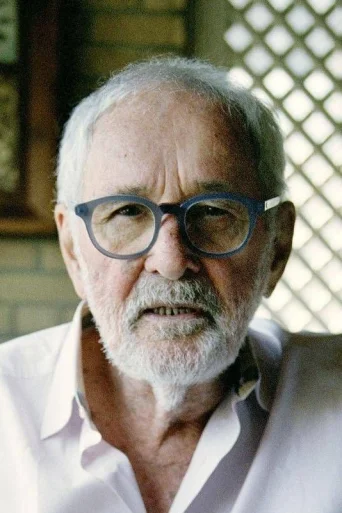
Norman Jewison is a distinguished Canadian filmmaker whose impactful career spans more than six decades, leaving an indelible mark on the landscape of Hollywood cinema. Renowned for his ability to tackle complex social issues through engaging narratives, Jewison has garnered acclaim for his diverse filmography, which includes celebrated works that explore themes of justice, love, and cultural identity. His contributions to the film industry have not only entertained audiences but have also sparked important conversations around the world.
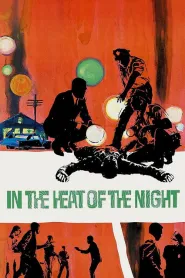
Jewison's early career began in the 1950s, where he initially worked in television before transitioning to feature films. His directorial debut came with the film "Gail" in 1960, but it was with the 1967 hit "In the Heat of the Night" that he truly made his mark. This groundbreaking film not only won five Academy Awards, including Best Picture, but also established Jewison as a filmmaker unafraid to confront racial tensions and societal issues. His ability to craft compelling narratives led to subsequent successes, including "Jesus Christ Superstar" (1973) and "Fiddler on the Roof" (1971), both of which showcased his talent for adapting stage productions into cinematic experiences.
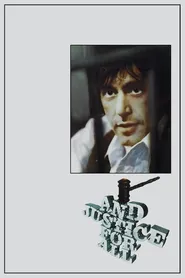
One of Jewison's most notable films, "...And Justice for All" (1979), further solidified his reputation as a director capable of blending drama with sharp social commentary. Starring Al Pacino, the film critiques the American legal system and highlights the struggles of individuals seeking justice. Jewison’s collaboration with prominent actors such as Pacino and directors like Mike Nichols has enriched his storytelling, allowing him to draw out powerful performances that resonate with audiences.
Throughout his career, Norman Jewison's artistic evolution has been marked by a willingness to experiment with different genres and styles. From musicals to dramas, his films often explore the human condition, reflecting the complexities of society. Jewison’s work has earned him numerous accolades, including an Academy Award nomination for Best Director and an Honorary Academy Award for his lifetime achievements in cinema. His films have received international recognition, establishing him as a pivotal figure in both Canadian and American filmmaking.
In summary, Norman Jewison's legacy as a filmmaker is characterized by his commitment to storytelling that challenges societal norms and engages audiences on a deeper level. With a career defined by both critical and commercial success, Jewison continues to be an influential voice in the film industry, inspiring future generations of filmmakers and audiences alike. His contributions to cinema are a testament to the power of film as a medium for change and reflection.
Jewison's early career began in the 1950s, where he initially worked in television before transitioning to feature films. His directorial debut came with the film "Gail" in 1960, but it was with the 1967 hit "In the Heat of the Night" that he truly made his mark. This groundbreaking film not only won five Academy Awards, including Best Picture, but also established Jewison as a filmmaker unafraid to confront racial tensions and societal issues. His ability to craft compelling narratives led to subsequent successes, including "Jesus Christ Superstar" (1973) and "Fiddler on the Roof" (1971), both of which showcased his talent for adapting stage productions into cinematic experiences.
One of Jewison's most notable films, "...And Justice for All" (1979), further solidified his reputation as a director capable of blending drama with sharp social commentary. Starring Al Pacino, the film critiques the American legal system and highlights the struggles of individuals seeking justice. Jewison’s collaboration with prominent actors such as Pacino and directors like Mike Nichols has enriched his storytelling, allowing him to draw out powerful performances that resonate with audiences.
Throughout his career, Norman Jewison's artistic evolution has been marked by a willingness to experiment with different genres and styles. From musicals to dramas, his films often explore the human condition, reflecting the complexities of society. Jewison’s work has earned him numerous accolades, including an Academy Award nomination for Best Director and an Honorary Academy Award for his lifetime achievements in cinema. His films have received international recognition, establishing him as a pivotal figure in both Canadian and American filmmaking.
In summary, Norman Jewison's legacy as a filmmaker is characterized by his commitment to storytelling that challenges societal norms and engages audiences on a deeper level. With a career defined by both critical and commercial success, Jewison continues to be an influential voice in the film industry, inspiring future generations of filmmakers and audiences alike. His contributions to cinema are a testament to the power of film as a medium for change and reflection.