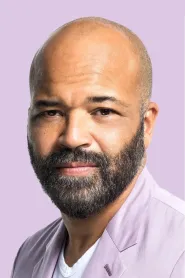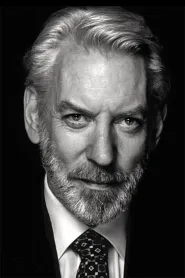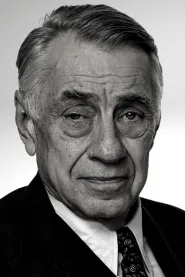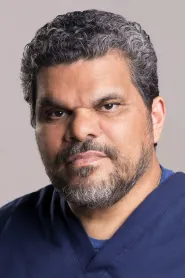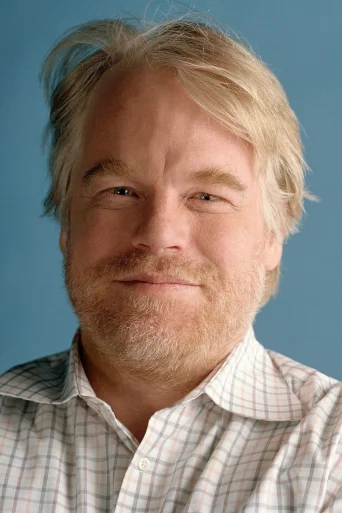
Philip Seymour Hoffman was an iconic American actor whose profound impact on the film industry continues to resonate long after his untimely passing in 2014. Born on July 23, 1967, in Fairport, New York, Hoffman was celebrated for his remarkable versatility and deeply layered performances. He became one of Hollywood's most respected actors, known for his ability to fully inhabit a wide array of characters, from the deeply flawed to the profoundly heroic.
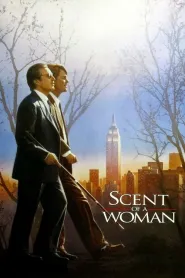
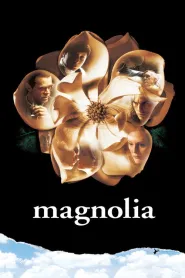
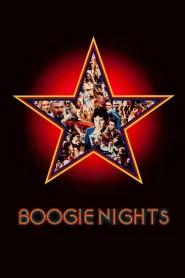
Hoffman's acting career began in theater, where he honed his craft and developed a reputation for his intense dedication to roles. He made his film debut in 1991 with a small part in "Triple Bogey on a Par Five Hole," but it was his breakthrough performance in "Boogie Nights" (1997) that showcased his extraordinary talent to a broader audience. Following this, he gained further acclaim for his roles in "Magnolia" (1999) and "Scent of a Woman" (1992), where he demonstrated an uncanny ability to deliver complex and nuanced performances that captivated audiences and critics alike.
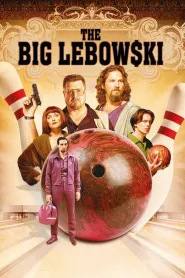
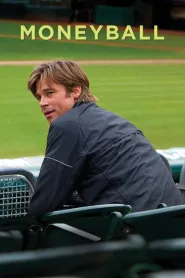
The early 2000s marked a significant evolution in Philip Seymour Hoffman's career, as he transitioned into more prominent leading roles. His portrayal of the troubled author Truman Capote in "Capote" (2005) earned him an Academy Award for Best Actor, solidifying his status as one of the finest actors of his generation. Hoffman's filmography also includes notable performances in "The Big Lebowski" (1998), "Moneyball" (2011), and "The Ides of March" (2011), where he consistently showcased his ability to bring depth and authenticity to his characters.
Throughout his career, Philip Seymour Hoffman collaborated with a number of esteemed directors and actors, including Paul Thomas Anderson, who directed him in both "Magnolia" and "The Master" (2012), a film that further demonstrated Hoffman's extraordinary range and artistry. His work not only earned him numerous accolades but also a lasting legacy that has influenced countless actors and filmmakers.
Hoffman's contributions to cinema have been recognized with multiple awards, including a total of four Academy Award nominations and a win for "Capote." He also received accolades from the Screen Actors Guild and the BAFTA Awards, among others. His performances have left an indelible mark on Hollywood, making Philip Seymour Hoffman a true luminary in the world of film whose artistic legacy endures through his unforgettable work.
Hoffman's acting career began in theater, where he honed his craft and developed a reputation for his intense dedication to roles. He made his film debut in 1991 with a small part in "Triple Bogey on a Par Five Hole," but it was his breakthrough performance in "Boogie Nights" (1997) that showcased his extraordinary talent to a broader audience. Following this, he gained further acclaim for his roles in "Magnolia" (1999) and "Scent of a Woman" (1992), where he demonstrated an uncanny ability to deliver complex and nuanced performances that captivated audiences and critics alike.
The early 2000s marked a significant evolution in Philip Seymour Hoffman's career, as he transitioned into more prominent leading roles. His portrayal of the troubled author Truman Capote in "Capote" (2005) earned him an Academy Award for Best Actor, solidifying his status as one of the finest actors of his generation. Hoffman's filmography also includes notable performances in "The Big Lebowski" (1998), "Moneyball" (2011), and "The Ides of March" (2011), where he consistently showcased his ability to bring depth and authenticity to his characters.
Throughout his career, Philip Seymour Hoffman collaborated with a number of esteemed directors and actors, including Paul Thomas Anderson, who directed him in both "Magnolia" and "The Master" (2012), a film that further demonstrated Hoffman's extraordinary range and artistry. His work not only earned him numerous accolades but also a lasting legacy that has influenced countless actors and filmmakers.
Hoffman's contributions to cinema have been recognized with multiple awards, including a total of four Academy Award nominations and a win for "Capote." He also received accolades from the Screen Actors Guild and the BAFTA Awards, among others. His performances have left an indelible mark on Hollywood, making Philip Seymour Hoffman a true luminary in the world of film whose artistic legacy endures through his unforgettable work.