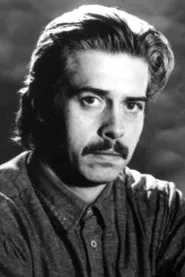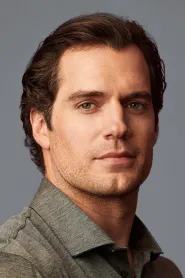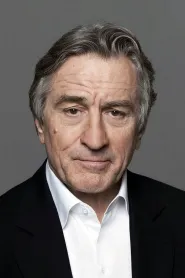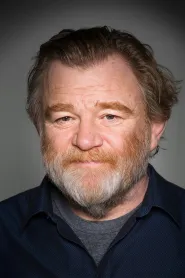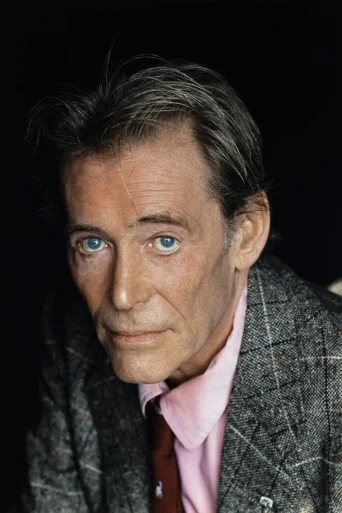
Peter O'Toole was a legendary actor whose captivating performances and distinctive presence left an indelible mark on the film industry. Born on August 2, 1932, in Leeds, West Riding of Yorkshire, England, O'Toole became one of the most celebrated figures in Hollywood, known for his versatility and powerful portrayals across a diverse range of genres.
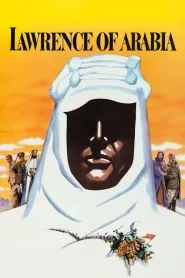
O'Toole's early career began in the theater, where he honed his craft before making his mark on the silver screen. His debut film role came in 1955 with "The Fiancee," but it was his portrayal of T.E. Lawrence in David Lean's epic "Lawrence of Arabia" (1962) that catapulted him to international fame. This performance not only showcased his remarkable talent but also established him as a leading actor in Hollywood, earning him his first Academy Award nomination.
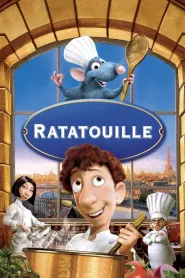
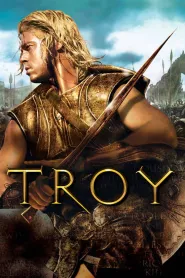
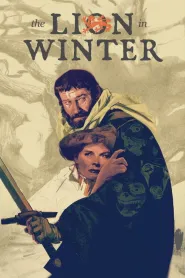
Throughout his illustrious career, Peter O'Toole starred in numerous iconic films that solidified his legacy. He captivated audiences in "The Lion in Winter" (1968) as King Henry II, a performance that garnered him another Academy Award nomination. His role in the animated film "Ratatouille" (2007) as the voice of Anton Ego added a unique dimension to his filmography, demonstrating his ability to transcend traditional acting boundaries. O'Toole also made a memorable appearance in "Troy" (2004), where he portrayed the character of Priam, showcasing his enduring appeal even in later stages of his career.
O'Toole's collaborations with renowned directors and actors further enriched his artistic journey. Working with the likes of David Lean, John Boorman, and Neil Jordan, he consistently delivered performances that were both compelling and nuanced. His ability to embody complex characters made him a sought-after talent in Hollywood, earning him a reputation as one of the finest actors of his generation.
The evolution of Peter O'Toole's career is marked by his fearless approach to diverse roles, reflecting a commitment to artistic integrity. His performances earned him a total of eight Academy Award nominations, a testament to his enduring talent and dedication to the craft. In 2003, he received an Honorary Academy Award, recognizing his exceptional contributions to cinema throughout his lifetime. O'Toole's legacy continues to inspire actors and filmmakers alike, ensuring that his impact on the film industry will be remembered for generations to come.
Peter O'Toole's passing on December 14, 2013, marked the end of an era, yet his remarkable body of work remains a testament to his artistry and influence, securing his place as a cinematic icon.
O'Toole's early career began in the theater, where he honed his craft before making his mark on the silver screen. His debut film role came in 1955 with "The Fiancee," but it was his portrayal of T.E. Lawrence in David Lean's epic "Lawrence of Arabia" (1962) that catapulted him to international fame. This performance not only showcased his remarkable talent but also established him as a leading actor in Hollywood, earning him his first Academy Award nomination.
Throughout his illustrious career, Peter O'Toole starred in numerous iconic films that solidified his legacy. He captivated audiences in "The Lion in Winter" (1968) as King Henry II, a performance that garnered him another Academy Award nomination. His role in the animated film "Ratatouille" (2007) as the voice of Anton Ego added a unique dimension to his filmography, demonstrating his ability to transcend traditional acting boundaries. O'Toole also made a memorable appearance in "Troy" (2004), where he portrayed the character of Priam, showcasing his enduring appeal even in later stages of his career.
O'Toole's collaborations with renowned directors and actors further enriched his artistic journey. Working with the likes of David Lean, John Boorman, and Neil Jordan, he consistently delivered performances that were both compelling and nuanced. His ability to embody complex characters made him a sought-after talent in Hollywood, earning him a reputation as one of the finest actors of his generation.
The evolution of Peter O'Toole's career is marked by his fearless approach to diverse roles, reflecting a commitment to artistic integrity. His performances earned him a total of eight Academy Award nominations, a testament to his enduring talent and dedication to the craft. In 2003, he received an Honorary Academy Award, recognizing his exceptional contributions to cinema throughout his lifetime. O'Toole's legacy continues to inspire actors and filmmakers alike, ensuring that his impact on the film industry will be remembered for generations to come.
Peter O'Toole's passing on December 14, 2013, marked the end of an era, yet his remarkable body of work remains a testament to his artistry and influence, securing his place as a cinematic icon.