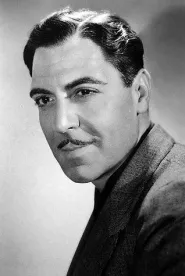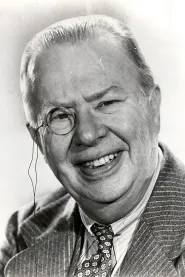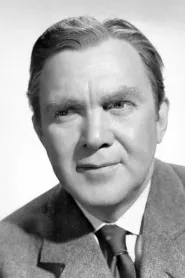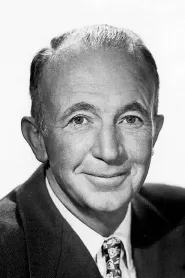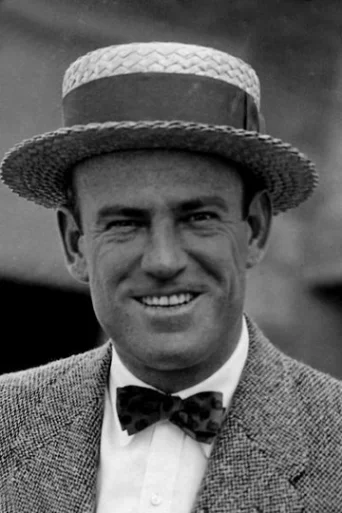
Sam Wood was a prominent American director whose career spanned several decades in the Golden Age of Hollywood. Renowned for his ability to craft emotional narratives with depth and substance, Wood left an indelible mark on the film industry through his work on classic films that continue to resonate with audiences today. His directorial vision and storytelling prowess positioned him as a significant figure in American cinema.
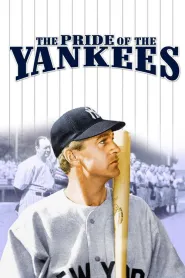
Wood began his career in the silent film era, where he honed his skills as a director. His early work laid the foundation for a fruitful career, culminating in his breakout successes in the 1930s. One of his most notable films, "The Pride of the Yankees" (1942), showcased his talent for blending sports drama with heartfelt storytelling. The film, which chronicled the life of baseball legend Lou Gehrig, not only earned critical acclaim but also solidified Wood's reputation as a masterful storyteller capable of evoking powerful performances from his actors.
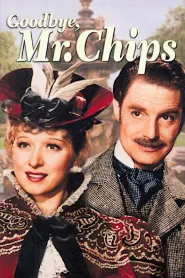
Throughout his career, Sam Wood collaborated with some of Hollywood's leading talents, including actors such as Gary Cooper and Greer Garson. His film "Goodbye, Mr. Chips" (1939) became an enduring classic, illustrating Wood's ability to create poignant moments that captured the essence of human emotion. Additionally, his work on "For Whom the Bell Tolls" (1943) showcased his talent for adapting literary masterpieces for the screen, earning him recognition for his artistic contributions to the medium.
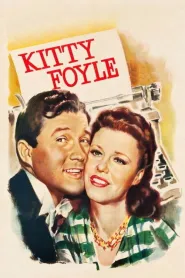
Wood's filmography is marked by a diverse array of genres, from romantic dramas like "Kitty Foyle" (1940) to psychological thrillers such as "Kings Row" (1942). His artistic evolution over the years reflected a keen understanding of audience sensibilities, allowing him to tackle various themes while maintaining his signature emotional depth. This versatility enabled him to remain relevant in an ever-changing industry, further enhancing his legacy.
Throughout his illustrious career, Sam Wood received several nominations and accolades, cementing his status as a respected figure in Hollywood. His contributions to film not only entertained audiences but also influenced future generations of filmmakers. Wood's ability to convey complex human experiences through his work has ensured that his films remain timeless, a testament to his lasting impact on the cinematic landscape. Today, Sam Wood is remembered not only for his directorial achievements but also for his profound influence on the art of storytelling in film.
Wood began his career in the silent film era, where he honed his skills as a director. His early work laid the foundation for a fruitful career, culminating in his breakout successes in the 1930s. One of his most notable films, "The Pride of the Yankees" (1942), showcased his talent for blending sports drama with heartfelt storytelling. The film, which chronicled the life of baseball legend Lou Gehrig, not only earned critical acclaim but also solidified Wood's reputation as a masterful storyteller capable of evoking powerful performances from his actors.
Throughout his career, Sam Wood collaborated with some of Hollywood's leading talents, including actors such as Gary Cooper and Greer Garson. His film "Goodbye, Mr. Chips" (1939) became an enduring classic, illustrating Wood's ability to create poignant moments that captured the essence of human emotion. Additionally, his work on "For Whom the Bell Tolls" (1943) showcased his talent for adapting literary masterpieces for the screen, earning him recognition for his artistic contributions to the medium.
Wood's filmography is marked by a diverse array of genres, from romantic dramas like "Kitty Foyle" (1940) to psychological thrillers such as "Kings Row" (1942). His artistic evolution over the years reflected a keen understanding of audience sensibilities, allowing him to tackle various themes while maintaining his signature emotional depth. This versatility enabled him to remain relevant in an ever-changing industry, further enhancing his legacy.
Throughout his illustrious career, Sam Wood received several nominations and accolades, cementing his status as a respected figure in Hollywood. His contributions to film not only entertained audiences but also influenced future generations of filmmakers. Wood's ability to convey complex human experiences through his work has ensured that his films remain timeless, a testament to his lasting impact on the cinematic landscape. Today, Sam Wood is remembered not only for his directorial achievements but also for his profound influence on the art of storytelling in film.