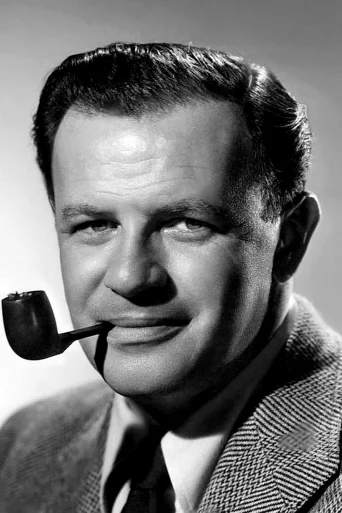
Joseph L. Mankiewicz was a masterful writer and director whose contributions to the film industry have left an indelible mark on Hollywood. Renowned for his sharp wit and sophisticated storytelling, Mankiewicz crafted a body of work that not only entertained audiences but also challenged the conventions of his time. His ability to weave intricate narratives and create complex characters established him as one of the most influential filmmakers of the 20th century.
Born on February 11, 1909, in Wilkes-Barre, Pennsylvania, Joseph L. Mankiewicz began his career in the entertainment industry as a writer for Columbia Pictures in the late 1930s. His early work included contributions to several films, but it was the transition to directing that would ultimately define his legacy. Mankiewicz's breakthrough came with the release of "A Letter to Three Wives" in 1949, a film that showcased his unique storytelling style and garnered him an Academy Award for Best Director. This achievement marked the beginning of a prolific period in his career.
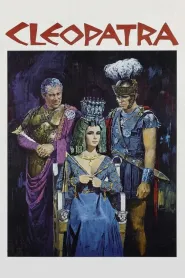
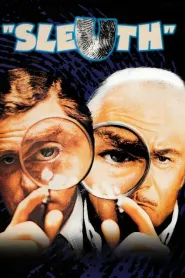
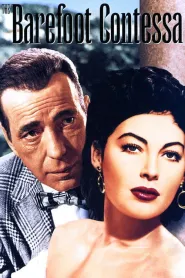
Mankiewicz's most famous films include the iconic "All About Eve" (1950), which won six Academy Awards, including Best Picture, and is celebrated for its incisive commentary on ambition and fame in the theater world. He continued to push cinematic boundaries with "Cleopatra" (1963), a grand spectacle that further solidified his reputation as a visionary filmmaker. His later works, such as "Sleuth" (1972) and "The Barefoot Contessa" (1954), showcased his ability to create tension and intrigue while maintaining a keen eye for character development and dialogue.
Throughout his career, Joseph L. Mankiewicz collaborated with some of the most talented actors and directors of his time, including Bette Davis, George Sanders, and Elizabeth Taylor. These partnerships resulted in performances that have become legendary in film history. His artistic evolution is evident in the way he adapted to the changing landscape of the film industry, always striving to tell stories that resonated deeply with audiences.
Mankiewicz's work has not only earned him numerous accolades, including multiple Academy Awards, but has also cemented his place as a pivotal figure in cinematic history. His films continue to inspire filmmakers and entertain audiences around the world, showcasing the timeless quality of his storytelling. Joseph L. Mankiewicz remains a celebrated figure whose legacy in Hollywood endures, exemplifying the art of filmmaking at its finest.
Born on February 11, 1909, in Wilkes-Barre, Pennsylvania, Joseph L. Mankiewicz began his career in the entertainment industry as a writer for Columbia Pictures in the late 1930s. His early work included contributions to several films, but it was the transition to directing that would ultimately define his legacy. Mankiewicz's breakthrough came with the release of "A Letter to Three Wives" in 1949, a film that showcased his unique storytelling style and garnered him an Academy Award for Best Director. This achievement marked the beginning of a prolific period in his career.
Mankiewicz's most famous films include the iconic "All About Eve" (1950), which won six Academy Awards, including Best Picture, and is celebrated for its incisive commentary on ambition and fame in the theater world. He continued to push cinematic boundaries with "Cleopatra" (1963), a grand spectacle that further solidified his reputation as a visionary filmmaker. His later works, such as "Sleuth" (1972) and "The Barefoot Contessa" (1954), showcased his ability to create tension and intrigue while maintaining a keen eye for character development and dialogue.
Throughout his career, Joseph L. Mankiewicz collaborated with some of the most talented actors and directors of his time, including Bette Davis, George Sanders, and Elizabeth Taylor. These partnerships resulted in performances that have become legendary in film history. His artistic evolution is evident in the way he adapted to the changing landscape of the film industry, always striving to tell stories that resonated deeply with audiences.
Mankiewicz's work has not only earned him numerous accolades, including multiple Academy Awards, but has also cemented his place as a pivotal figure in cinematic history. His films continue to inspire filmmakers and entertain audiences around the world, showcasing the timeless quality of his storytelling. Joseph L. Mankiewicz remains a celebrated figure whose legacy in Hollywood endures, exemplifying the art of filmmaking at its finest.