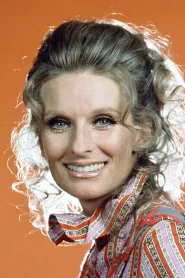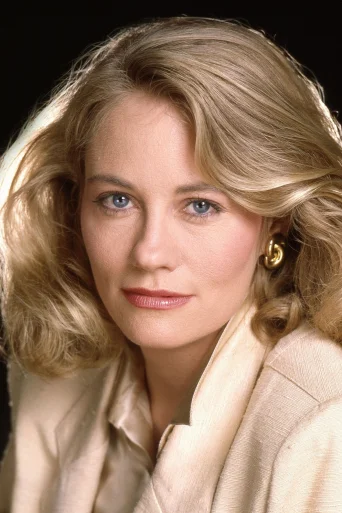
Cybill Shepherd is a celebrated actress and cultural icon, known for her captivating performances and significant contributions to film and television. Born in 1950 in Memphis, Tennessee, she quickly rose to prominence in Hollywood, carving out a niche for herself as a versatile talent capable of portraying a wide range of characters. With a career spanning over five decades, Cybill Shepherd has solidified her status as a formidable presence in the entertainment industry.
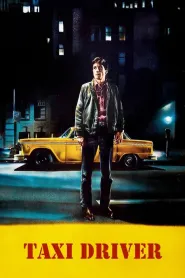
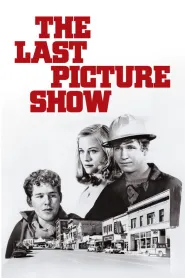
Cybill's early career began in the late 1960s and early 1970s, where she made her mark as a model before transitioning to acting. Her debut came in the 1971 film "The Last Picture Show," directed by Peter Bogdanovich, which showcased her natural talent and garnered critical acclaim. However, it was her role as the enigmatic Betsy in Martin Scorsese's 1976 classic, "Taxi Driver," that truly established her as a household name. This landmark film not only showcased her acting prowess but also solidified her place in cinematic history.
Throughout her career, Cybill Shepherd has been involved in a variety of notable projects that highlight her versatility. Aside from her iconic role in "Taxi Driver," she starred in the television series "Cybill" during the 1990s, which allowed her to explore comedic territory while earning her multiple award nominations. Her collaborations with renowned directors and actors, including her work with Bogdanovich and fellow performers like Bruce Willis in the hit series "Moonlighting," have further cemented her legacy in Hollywood.
Over the years, Cybill Shepherd's artistic evolution has been marked by her willingness to take on diverse roles, from dramatic performances to light-hearted comedies. Her ability to adapt and grow as an actress has resonated with audiences, allowing her to maintain relevance in a constantly changing industry. She has earned several accolades for her work, including Golden Globe nominations and Emmy nominations, reflecting her talent and dedication to her craft.
Cybill Shepherd's impact on film and television remains significant, as she continues to inspire new generations of actors and filmmakers. Her journey from a young model in Memphis to a celebrated actress in Hollywood showcases her resilience and passion for storytelling. With a remarkable filmography and a lasting influence on popular culture, Cybill Shepherd is undoubtedly a key figure in the history of American cinema.
Cybill's early career began in the late 1960s and early 1970s, where she made her mark as a model before transitioning to acting. Her debut came in the 1971 film "The Last Picture Show," directed by Peter Bogdanovich, which showcased her natural talent and garnered critical acclaim. However, it was her role as the enigmatic Betsy in Martin Scorsese's 1976 classic, "Taxi Driver," that truly established her as a household name. This landmark film not only showcased her acting prowess but also solidified her place in cinematic history.
Throughout her career, Cybill Shepherd has been involved in a variety of notable projects that highlight her versatility. Aside from her iconic role in "Taxi Driver," she starred in the television series "Cybill" during the 1990s, which allowed her to explore comedic territory while earning her multiple award nominations. Her collaborations with renowned directors and actors, including her work with Bogdanovich and fellow performers like Bruce Willis in the hit series "Moonlighting," have further cemented her legacy in Hollywood.
Over the years, Cybill Shepherd's artistic evolution has been marked by her willingness to take on diverse roles, from dramatic performances to light-hearted comedies. Her ability to adapt and grow as an actress has resonated with audiences, allowing her to maintain relevance in a constantly changing industry. She has earned several accolades for her work, including Golden Globe nominations and Emmy nominations, reflecting her talent and dedication to her craft.
Cybill Shepherd's impact on film and television remains significant, as she continues to inspire new generations of actors and filmmakers. Her journey from a young model in Memphis to a celebrated actress in Hollywood showcases her resilience and passion for storytelling. With a remarkable filmography and a lasting influence on popular culture, Cybill Shepherd is undoubtedly a key figure in the history of American cinema.