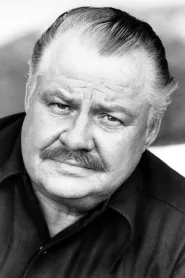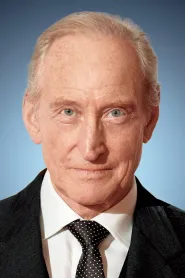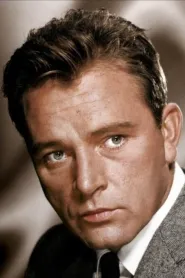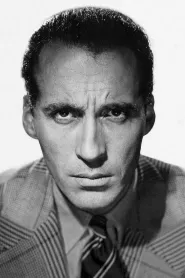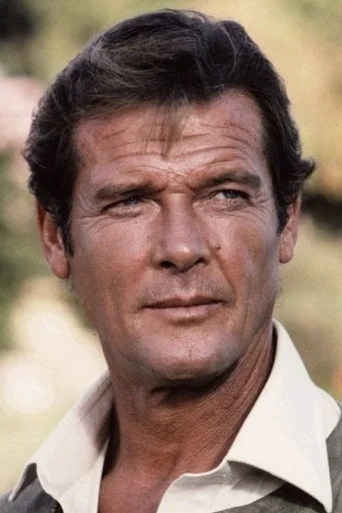
Roger Moore, an iconic figure in the film industry, is best known for his suave portrayal of the legendary British spy James Bond. With a career that spanned over seven decades, Moore's contributions to Hollywood have left an indelible mark, making him one of the most recognizable faces of the 20th century. His ability to blend charm and wit with action and suspense solidified his status as a cinematic icon.
Roger Moore began his acting career in the 1940s, initially appearing in small television roles and films. His breakout moment came with the television series "The Saint," which aired from 1962 to 1969 and showcased his charisma as the charming thief Simon Templar. This role not only established Moore as a household name but also paved the way for his subsequent transition to film, where he would ultimately take on the mantle of James Bond.
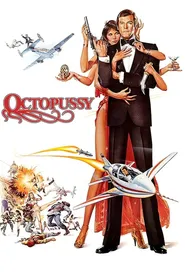
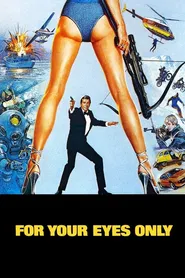
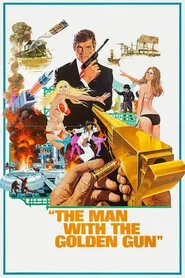
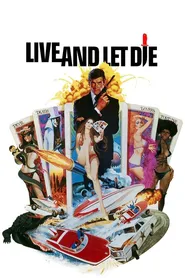
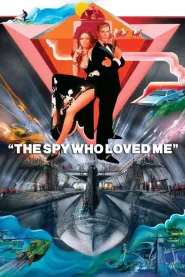
In 1973, Roger Moore made his debut as 007 in "Live and Let Die," a film that redefined the Bond franchise with its daring stunts and fresh approach. He went on to star in several successful installments, including "The Man with the Golden Gun" (1974), "The Spy Who Loved Me" (1977), "For Your Eyes Only" (1981), and "Octopussy" (1983). Each performance brought his unique blend of humor and sophistication to the role, captivating audiences worldwide and ensuring his place in cinematic history.
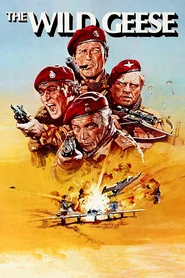
Beyond the Bond series, Roger Moore showcased his versatility in films such as "The Wild Geese" (1978), where he played a mercenary leader, demonstrating his ability to tackle diverse characters. His collaborations with renowned directors and actors enriched his filmography and highlighted his adaptability within the industry. Moore's performances often combined action with levity, appealing to a broad audience and contributing to the ongoing evolution of action cinema.
Throughout his illustrious career, Roger Moore received numerous accolades and international recognition, including a star on the Hollywood Walk of Fame. His legacy extends beyond his film roles, as he became a prominent humanitarian, dedicating much of his later life to charitable causes. Moore's timeless appeal and remarkable contributions to the film industry continue to resonate with audiences, ensuring that his influence on cinema will be felt for generations to come.
Roger Moore began his acting career in the 1940s, initially appearing in small television roles and films. His breakout moment came with the television series "The Saint," which aired from 1962 to 1969 and showcased his charisma as the charming thief Simon Templar. This role not only established Moore as a household name but also paved the way for his subsequent transition to film, where he would ultimately take on the mantle of James Bond.
In 1973, Roger Moore made his debut as 007 in "Live and Let Die," a film that redefined the Bond franchise with its daring stunts and fresh approach. He went on to star in several successful installments, including "The Man with the Golden Gun" (1974), "The Spy Who Loved Me" (1977), "For Your Eyes Only" (1981), and "Octopussy" (1983). Each performance brought his unique blend of humor and sophistication to the role, captivating audiences worldwide and ensuring his place in cinematic history.
Beyond the Bond series, Roger Moore showcased his versatility in films such as "The Wild Geese" (1978), where he played a mercenary leader, demonstrating his ability to tackle diverse characters. His collaborations with renowned directors and actors enriched his filmography and highlighted his adaptability within the industry. Moore's performances often combined action with levity, appealing to a broad audience and contributing to the ongoing evolution of action cinema.
Throughout his illustrious career, Roger Moore received numerous accolades and international recognition, including a star on the Hollywood Walk of Fame. His legacy extends beyond his film roles, as he became a prominent humanitarian, dedicating much of his later life to charitable causes. Moore's timeless appeal and remarkable contributions to the film industry continue to resonate with audiences, ensuring that his influence on cinema will be felt for generations to come.