Synopsis
The Passion of Joan of Arc is a movie released in 1928.
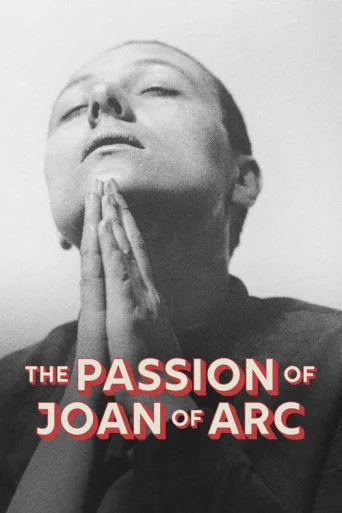
In this timeless masterpiece of silent cinema, viewers are drawn into the harrowing journey of a young woman who defies the oppressive forces of her time. Centered around the iconic figure of Jeanne d'Arc, the film powerfully captures the essence of faith, conviction, and the struggle against tyranny. As she stands trial, accused of heresy for claiming divine guidance, Jeanne endures a relentless barrage of psychological manipulation and intimidation by the church officials, who seek to extinguish her spirit and rewrite her narrative. What sets this film apart is its raw emotional intensity, brought to life through striking performances and innovative cinematography. The close-ups of lead actress Renée Jeanne Falconetti convey a profound depth of anguish and resolve, making her portrayal one of the most celebrated in film history. The exploration of themes such as martyrdom, the quest for truth, and the clash between individual belief and institutional power resonates with audiences even today. As Jeanne faces her brutal execution, the film elevates her from a doomed heroine to an enduring symbol of courage and faith, ensuring her legacy as a martyr that transcends time. This is not just a film; it’s a visceral experience that compels viewers to reflect on the nature of belief and the price of unwavering conviction.